 By Liz Sterling
The diamond gets the attention. The setting does the living.
It is the setting that decides how high the diamond sits, how the light reaches it, what it will catch on, and how it will look after ten years of door handles and coat sleeves. Two rings with the same diamond can feel like different people.
Here are thirteen ways to hold a diamond, and how to choose among them.
The classics
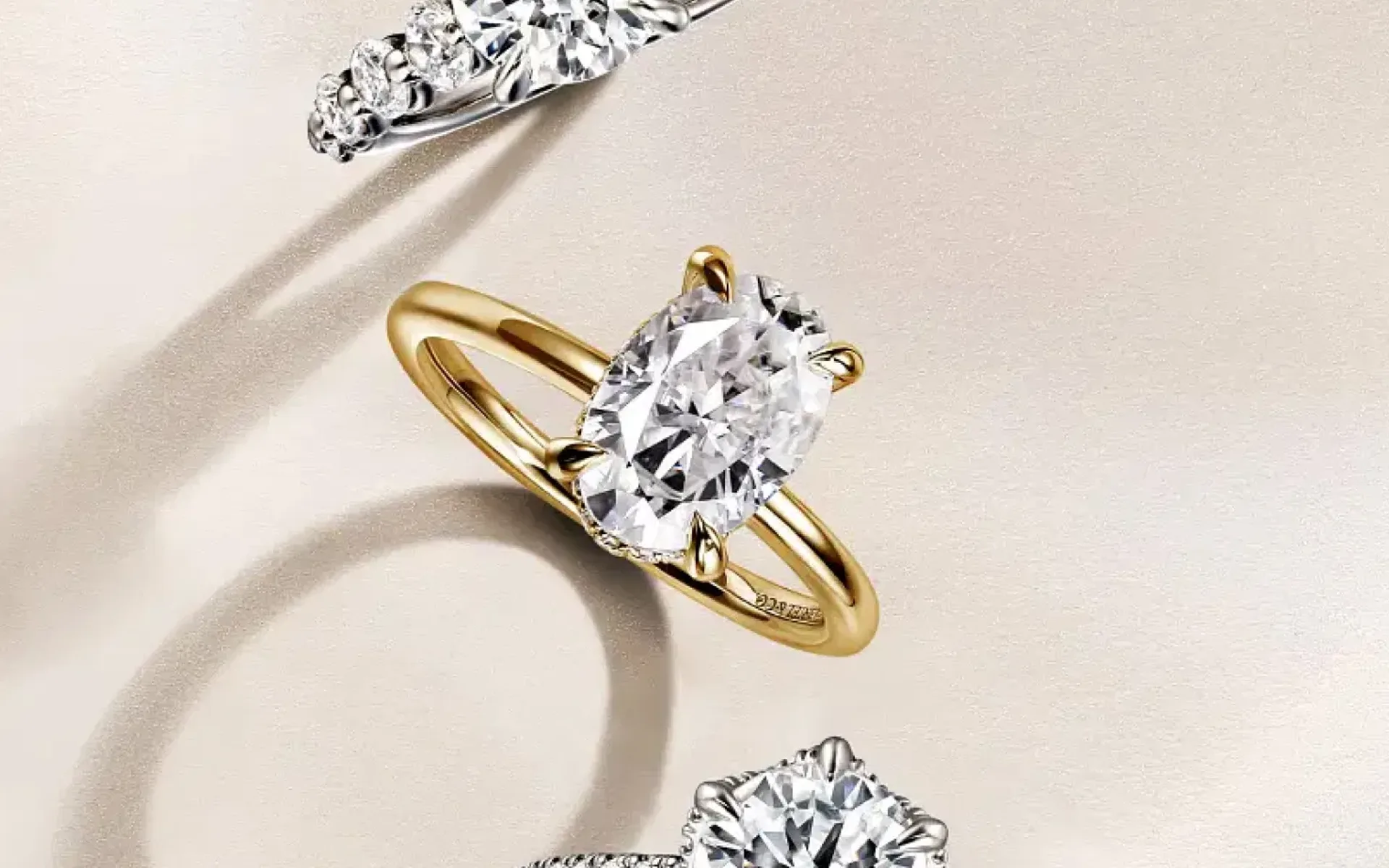
Solitaire. One diamond, nothing beside it. It suits every shape and every hand, and it lets the diamond speak without interruption.
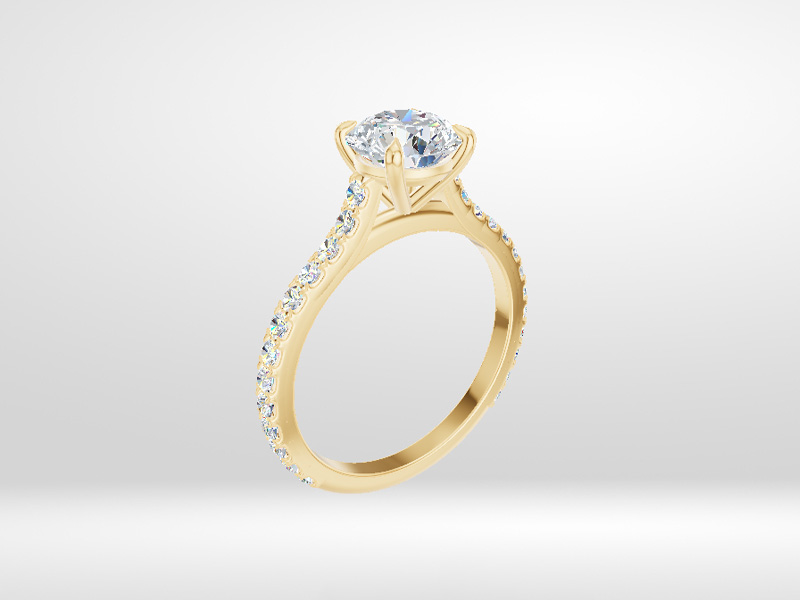
Crown setting. What the trade calls a prong setting: small points of metal fold over the diamond's edge and hold it up to the light. A four-point crown shows more of the diamond; six hold it more firmly. Those points are the reason a solitaire sparkles from the side, and the reason it wants a look under the loupe now and then.
Cathedral. The band rises in two arches to meet the diamond, the way a cathedral's arches meet a ceiling. It lifts the diamond and gives the ring a graceful profile, with a little more height to mind.
Three-stone. A center diamond with one on each side: yesterday, today and everything after. The side diamonds add width and can be a different shape from the center. They are at their best when their color sits close to the center's.

The protective ones
Bezel. A rim of metal runs all the way around the diamond. It is the smoothest and most protective setting there is, and the choice of people who work with their hands. A half bezel leaves two sides open, for a little more light.
Channel. A row of diamonds set between two walls of metal, with nothing standing proud. It is how many wedding bands and side rows are made, and it does not snag.
Tension. The diamond appears to float, held only by the pressure of the band on either side. It is striking and modern. It also asks for a hard gem, and it is the most difficult setting to size.